
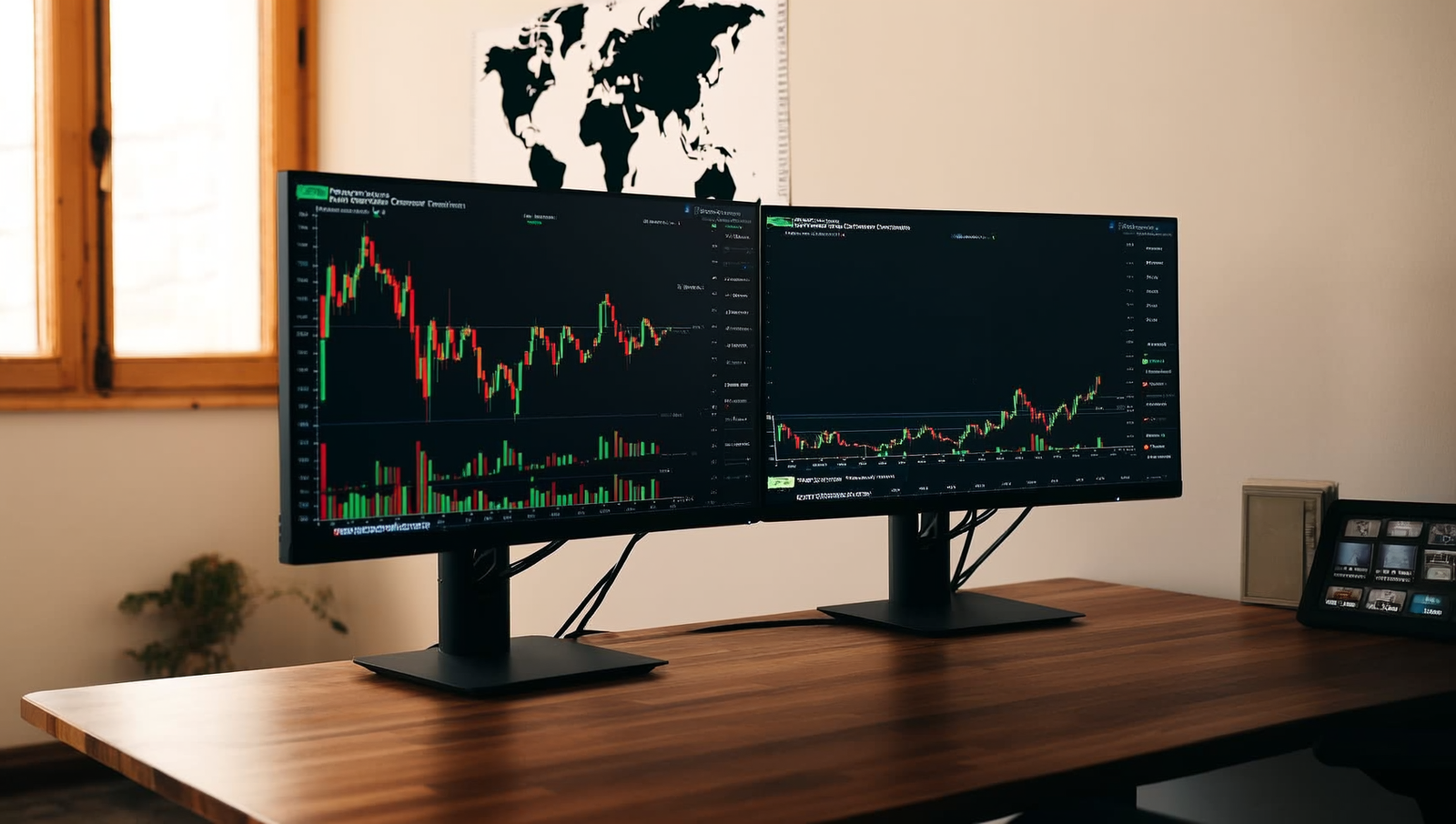
For many years, online brokers competed by building their own trading platforms or by offering widely used third-party software under their brand. A trader opened an account, downloaded the broker’s application and did most of their analysis and trading inside it. Switching brokers meant learning a new interface, rebuilding chart layouts and recreating watchlists. That friction helped brokers keep customers even when competitors offered better pricing.
That model is changing. A growing number of traders now begin their day in independent charting and analysis platforms. They build indicators, set alerts, follow market commentary and share ideas there. For these traders, the broker is increasingly the execution and custody layer behind a screen that belongs to someone else. Brokers that want their business must meet them where they already work.
Recent launches show the pattern. Equiti Group has launched TradingView connectivity across several of its regulated entities, allowing clients to trade contracts for difference directly from the charting platform, a move that shows how brokers compete for the trading screen rather than insisting that clients adopt their own. Earlier, Plus500’s US business added TradingView access for futures. The instruments and regulatory frameworks differ, but the strategic logic is the same: reduce the cost to a trader of bringing an existing routine to a new provider.
The benefits for traders are clear. Fewer transitions between spotting an idea and placing an order can reduce errors and save time. Traders can keep their preferred tools, layouts and scripts while choosing a broker based on pricing, service and regulatory protection. Competition between brokers may become more direct when the interface is no longer a reason to stay.
For brokers, the trade-off is more complicated. Integrating with a popular platform opens access to a large audience of active traders. It also reduces the broker’s control over the customer experience. Branding is less visible, the relationship with the customer is partly mediated by the platform, and the broker’s own tools, research and education may receive less attention. A broker that relies heavily on third-party screens risks becoming interchangeable and competing mainly on price.
That is why many brokers pursue several routes at once. They maintain proprietary platforms for customers who want an integrated experience, support established third-party trading software for those who prefer it and connect to charting platforms for traders who have built their routines elsewhere. The aim is to be available wherever a customer chooses to trade, while still giving them reasons to use the broker’s own services.
Traders should be aware of what a common interface does not change. The same chart may look identical whichever broker is connected, but the products available, the trading costs, the leverage limits and the investor protections depend on the specific regulated entity holding the account. A group operating across several jurisdictions may offer different conditions to clients in different countries. A seamless screen can make those differences less visible, so it is worth checking the terms of the account rather than assuming they are uniform.
Execution reliability is another area to watch. When orders are routed from a charting platform to a broker, the speed and stability of that connection matter, especially in fast markets. Traders should understand what happens if the connection drops, how orders are confirmed and where to see the official record of their positions. The broker’s own platform or client portal typically remains the authoritative source.
Data and subscriptions also deserve attention. Charting platforms usually offer different feature tiers, and some capabilities may require a paid plan that is separate from the brokerage account. Prices shown on a chart may come from a different data source than the broker’s execution prices, which can create small differences that confuse less experienced traders.
The broader shift reflects how distribution works in many digital industries. Users gather around platforms that serve them well, and providers compete to plug into those platforms rather than pulling users away. In trading, that means the battle for customers is increasingly fought on screens brokers do not own. The winners will be those that combine strong execution, transparent conditions and reliable integration with genuine reasons for customers to engage with the broker directly.


More Stories
Discover the Exclusive World of HelloPappy.com and Explore Premium Escort Listings
Why Backlinks Disappear—and How Businesses Can Recover Them
Seasonal Outdoor Activities Families Can Enjoy All Year Long